Uncover the Human Experience
Anthropology Department
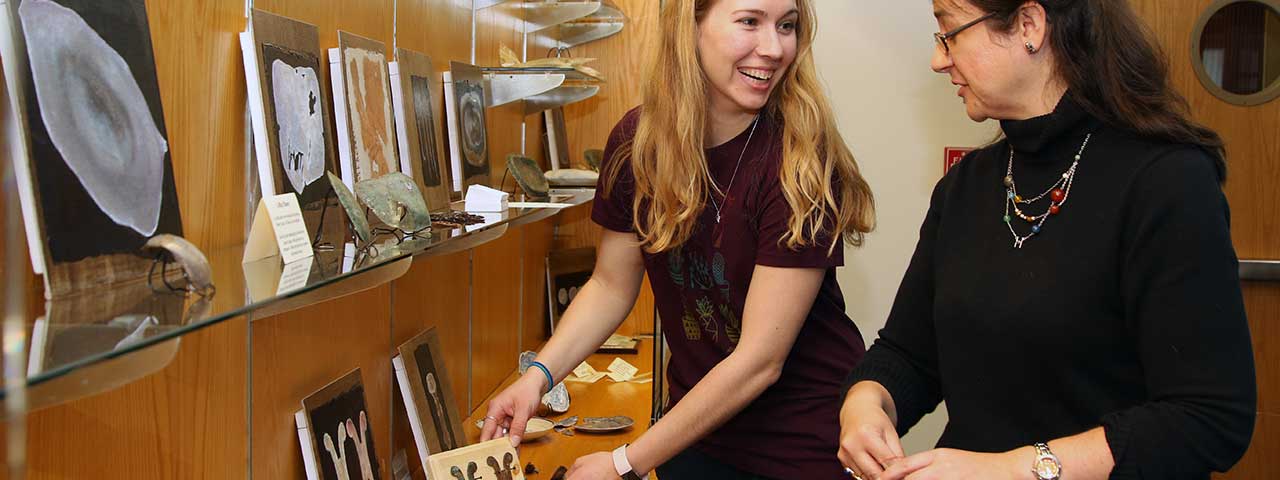
Undergraduate Studies (Major and Minors)
Anthropology explores the entire range of human experiences in the past and present. Our undergraduate courses cover the breadth of the discipline, including physical anthropology (the study of human evolution and biological variation); archaeology (the study of prehistoric and historic cultures through material remains); linguistics (the study of language—its structure, historic developments, and social aspects); cultural anthropology (the study of contemporary societies); and applied anthropology (the use of anthropological methods and theory to solve real-world problems).
Graduate Studies (M.A. and Ph.D.)
The Anthropology Department offers M.A. and Ph.D. degrees. While most graduate students are in the doctoral program, the Department does admit some students interested in a terminal M.A. All students receive broad training in quantitative and qualitative methods of social science research. Students work alongside faculty advisors to develop research expertise in topical and regional foci. Students can further deepen their expertise with a Certificate in Advanced Study earned concurrently with their degree. Some of the many options include women and gender studies, conflict resolution, post-conflict reconstruction, NGO management, environmental decision-making, security studies, South Asia studies, Latin American and Caribbean studies, Middle East affairs, Europe and the EU, and more.
What can you do with an anthropology degree?
Topical and International Expertise
Faculty members within the Anthropology Department represent wide-ranging interests and sub-specialties, providing students with the opportunity to address issues through multiple lenses.
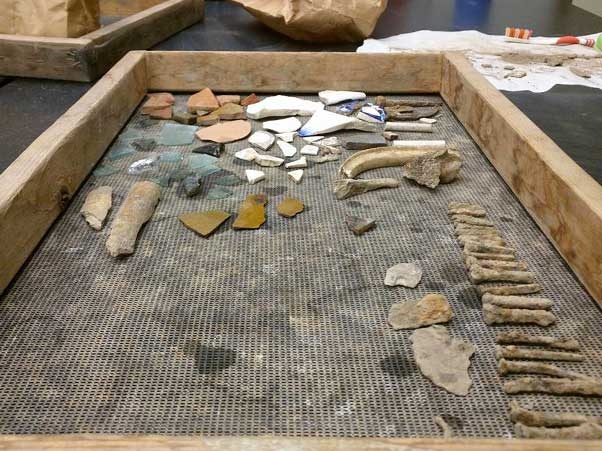
Archaeology
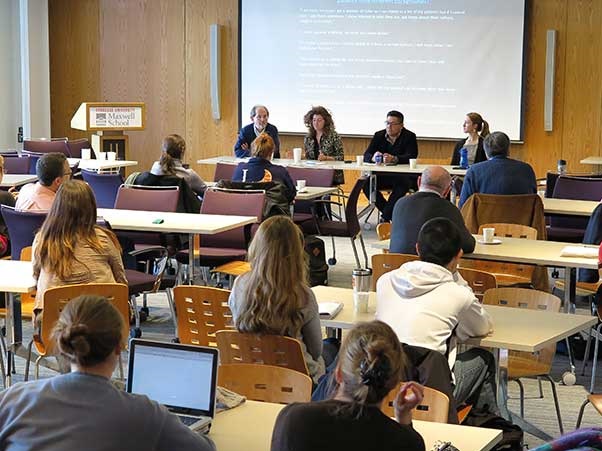
Cultural Anthropology
Explore cultural anthropology, including political anthropology, medical anthropology, gender and sexuality, globalization and culture change, conflict resolution, religion and social movements.
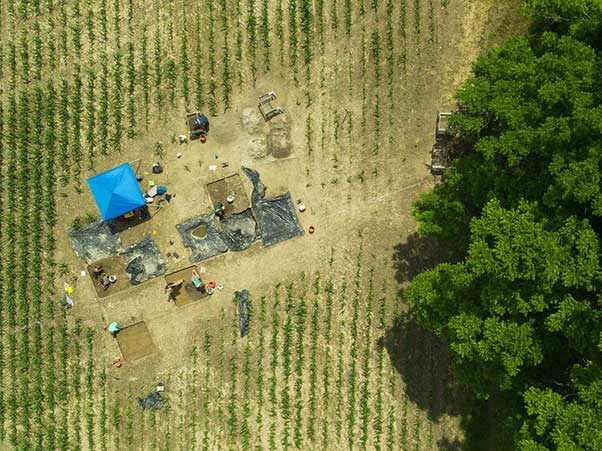
International Connections
In addition to expertise across anthropology sub-disciplines, including permutations of socio-cultural anthropology, historical archaeology and bio-archaeology, the department has deep expertise in Africa, Europe, Latin America and the Caribbean, the Middle East, South Asia, the United States, and Africa.
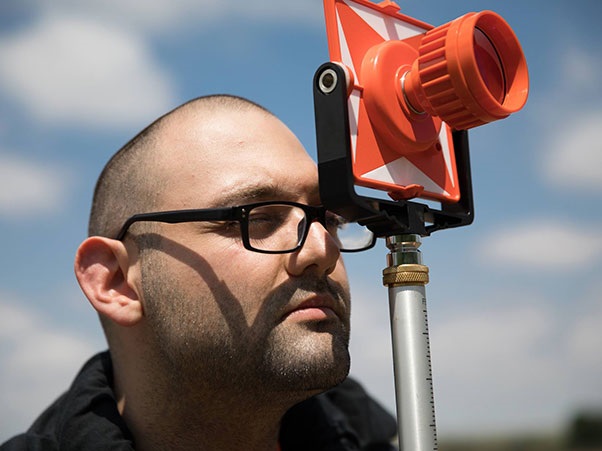
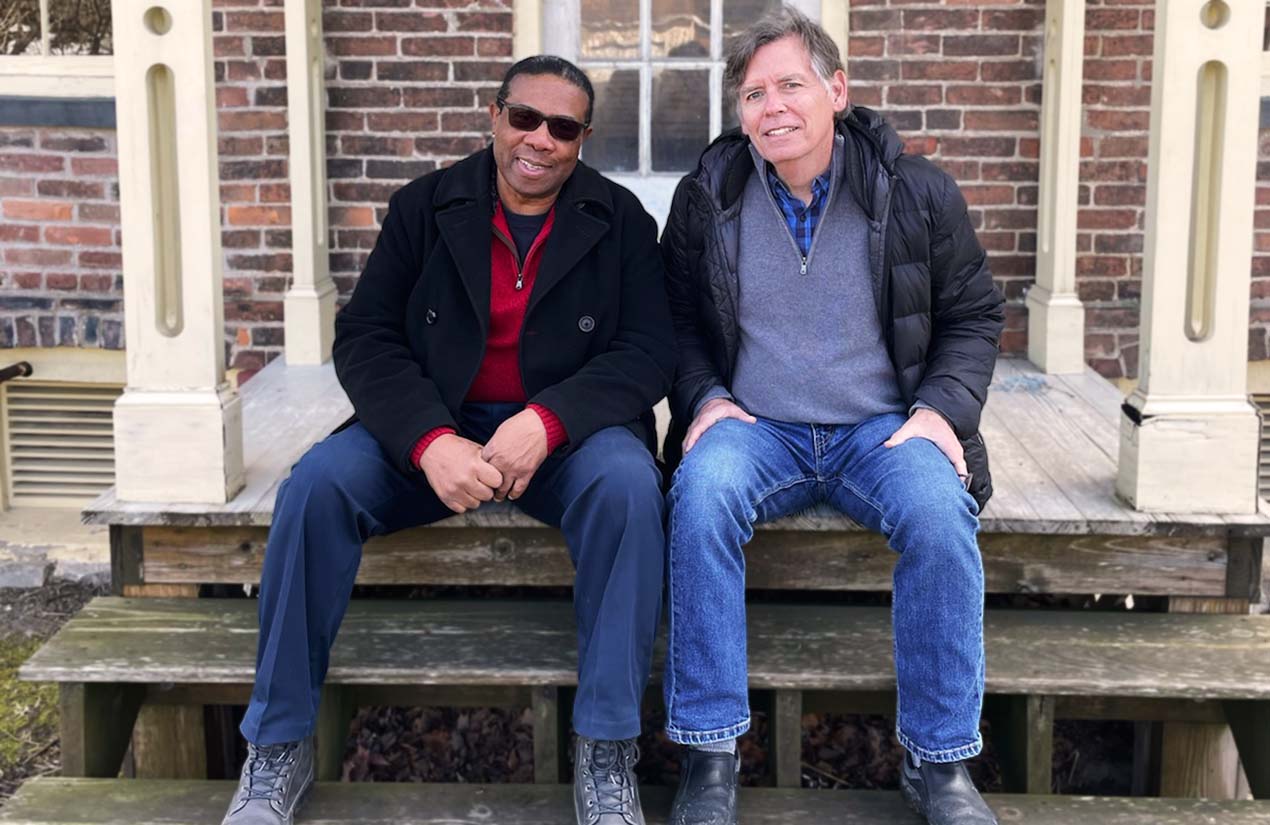
‘An Incredible Endeavor’
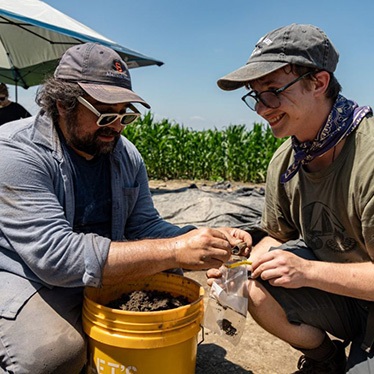
Professor Douglas Armstrong and his undergraduate students discovered the remains of a historically significant building at the Harriet Tubman Home in Auburn, N.Y.
Their find in the early 1990s led to an enduring relationship and a longstanding archaeology field study course in which students unearthed over 70,000 artifacts that have shed new light on Tubman's later years.
Anthropology Bookshelf
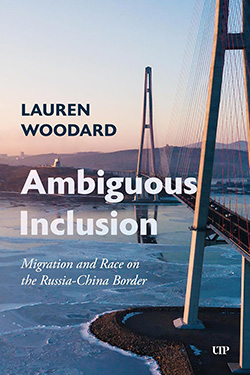
Ambiguous Inclusion: Migration and Race on the Russia-China Border
Lauren Woodard
University of Toronto Press, 2026
Migration, Russia
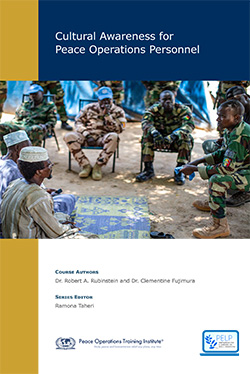
Cultural Awareness for Peace Operations Personnel
Robert A. Rubinstein, Clementine K. Fujimura
Peace Operations Training Institute, 2026
International Affairs
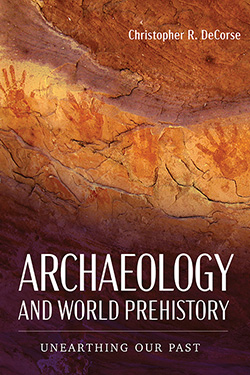
Archaeology and World Prehistory: Unearthing Our Past
Christopher DeCorse
Sage College Publishing, 2025
Archaeology
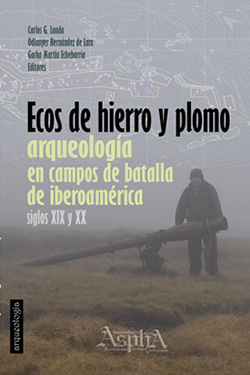
Ecos de hierro y plomo. Arqueología en campos de batalla de Iberoamérica, siglos XIX y XX
Carlos G. Landa, Odlanyer Hernández de Lara, Gorka Martín
Cuba Arqueologica, 2025
Archaeology, Conflict, Europe, Latin America & the Caribbean
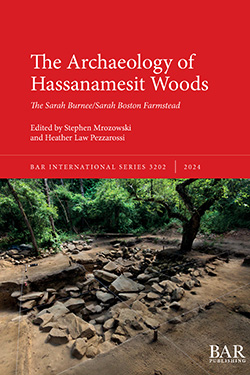
The Archaeology of Hassanamesit Woods:The Sarah Burnee/Sarah Boston Farmstead
Heather Law Pezzarossi
BAR Publishing, 2024
Archaeology, Native American, United States
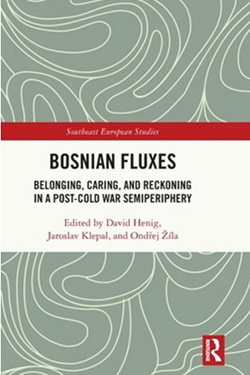
Bosnian Fluxes, Belonging, Caring, and Reckoning in a Post-Cold War Semiperiphery
Azra Hromadžić
Routledge Taylor & Francis Group, 2025
Europe
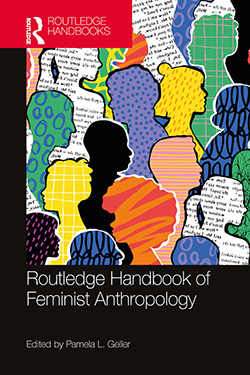
The Routledge Handbook of Feminist Anthropology
Shannon A. Novak
Routledge Taylor & Francis Group, 2025
Environment, Gender and Sex, India

Embodying Biodiversity: Sensory Conservation as Refuge and Sovereignty
Terese Gagnon, Shannon Novak
University of Arizona Press, 2024
Agriculture, Environment, India

Riverine Citizenship: A Bosnian City in Love with the River
Azra Hromadžić
Central European University Press, 2024
Europe, Sustainability, Water
Anthropology in Action
Research

Oct 7, 2026
School News

Sep 18, 2026

School News
Aug 14, 2026