Understand the Past. Inform the Future.
History Department

history faculty and affiliates
undergraduate and graduate courses offered each year
books published by history faculty since 2010
An understanding of the past is essential to shaping the present and future of our nation and the world. As a history major or minor, you will be challenged to develop your reading, writing and research skills to better understand the past and face the future.
History, B.A.
Minor in history
Our graduate programs are characterized by close intellectual and working relationships between students and faculty. You will be well-prepared for roles on college and university faculties, in libraries and archives, and in federal and state government agencies.
History, M.A.
History, Ph.D.
History in Action
School News
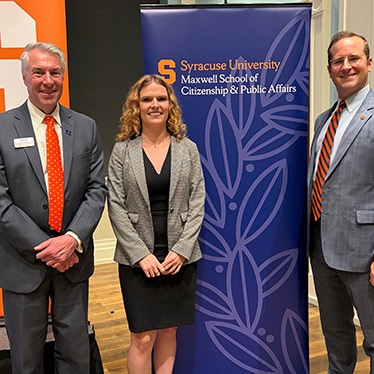
Oct 6, 2026
School News
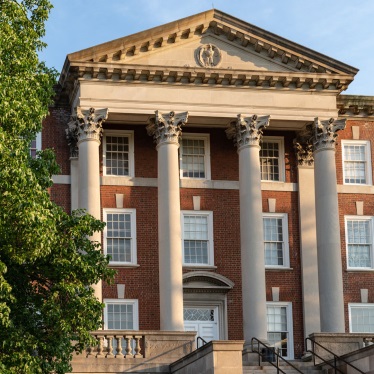
Oct 1, 2026
Media Coverage
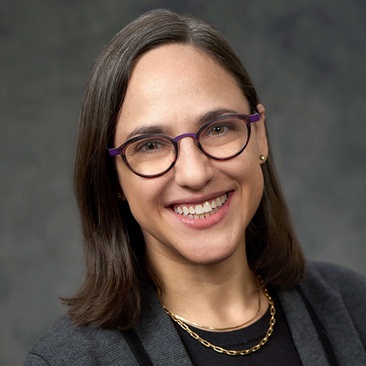
Sep 24, 2026
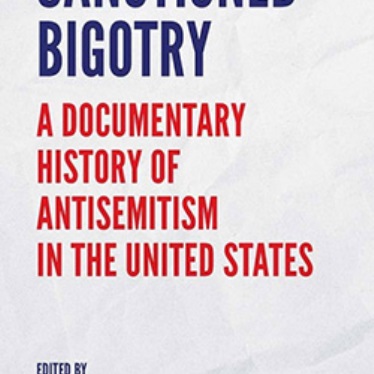
October 23, 2026
Honoring Carlo Ginzburg: Future Directions in Microhistory
Eggers Hall, 151
9:15AM-5:00PM
October 30, 2026
Halloween History Advising and Information Session on Internal History Master's Program Options
Eggers Hall, 151
1:00PM-3:00PM