Work for a Harmonious World
Advocacy and Activism
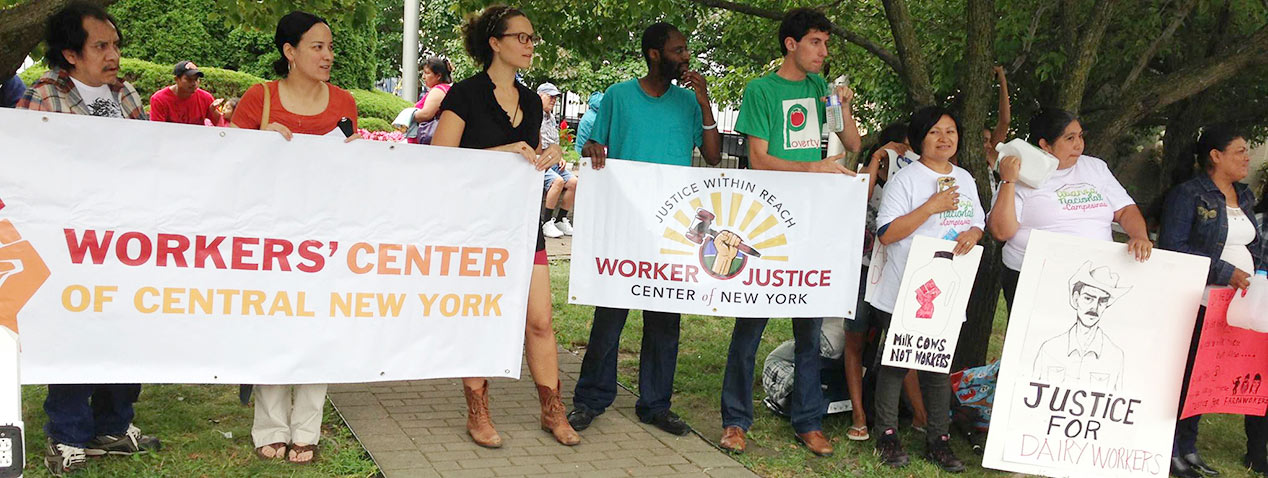
Advocates and activists help effect important social, political and cultural changes across the globe through goal-oriented organization and strategy and by mobilizing and educating citizens and leaders.
Representing the under-represented
While this program is committed to understanding and analyzing all kinds of activism, it has a special interest in movements of populations that are socially, culturally and economically marginalized.
From migrant Latinos advocating for labor rights in the U.S. to Indigenous people mobilizing in Ecuador, from transnational movements for fair trade to low-income people right here in Syracuse organizing to advocate for themselves, this program seeks to analyze the social forces that generate, sustain and weaken social movements, and to grasp the impacts such movements have on the modern world.
With our research, we hope to help deepen and enrich reflection and action at the interface between academic analysis and effective social action through direct, institutional and extra-institutional processes.

We define “activism” and “social movements” as collective action that exerts pressure on centers of power to remedy grievances and felt injustice.
Advocacy and Activism Faculty
PARCC advocacy and activism faculty are experts in psychology, sociology, African American studies, history, writing and rhetoric studies, geography, religion, journalism, Asian America studies, anthropology, international relations and political science.
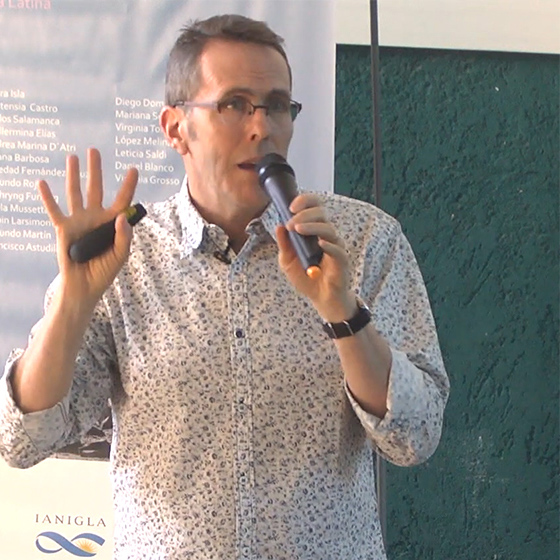
The Labor Movement in the Age of Trump: Challenges and Prospect
Watch the presentation by Jeffrey Grabelsky, associate director of The Work Institute at the Industrial and Labor Relations School at Cornell University and guest speaker for PARCC's Conversations in Conflict Studies lecture series.
Labor Studies Working Group
PARCC's Labor Studies Working Group is an interdisciplinary group of Syracuse University faculty members whose primary goal is to institutionalize labor studies and elevate labor―broadly defined―as a topic of intellectual inquiry and social and political importance at Syracuse University. Faculty member departments include African-American studies, anthropology, geography, religion, sociology, and writing and rhetoric.
The group organizes workshops that bring together leading labor scholars with activists and practitioners to explore pertinent issues facing workers and workers’ movements
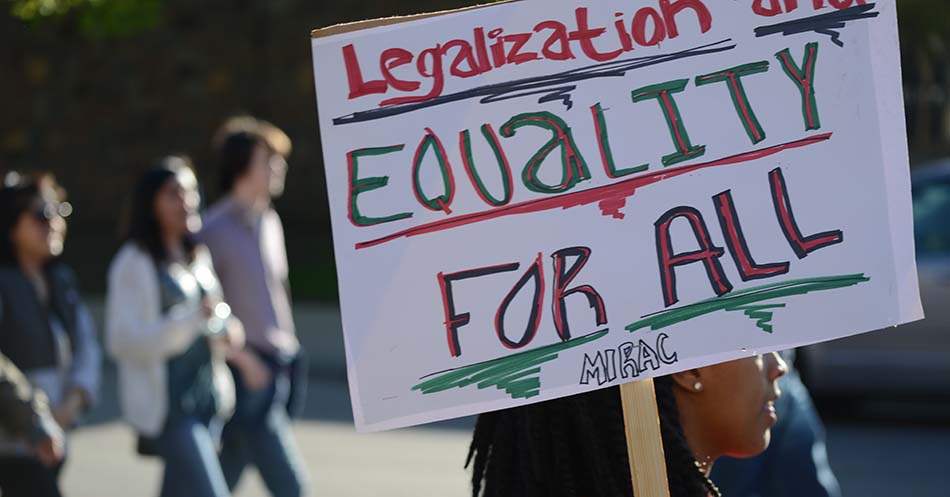
Selection of Labor Studies Workshops
Standing with Immigrant Workers: Labor's Strategies of Resistance in the Age of Trump
What was the labor movement’s response to the volatile immigration policy landscape in the United States? What impact did the Trump administration have on immigrant rights? This workshop explored how U.S. labor unions have varied their approach to immigrant rights, how these labor constituencies justified their positions and to what extent the labor movement has declared solidarity with Black, Muslim and LGBT workers.
Labor in a Changing Climate: Climate Change, Labor and Global Citizenship
This workshop brought together experts and activists who seek to bridge tensions between climate and labor activism. Discussion included the creation of a unified climate-labor movement, the role of policy in finding solutions that appeal to working class and other marginalized constituents and how to inspire "global citizenship" to address the uneven responsibilities for and impacts of climate change.
Workers' Rights are Human Rights? Diversifying Labor Strategies in a Changing World
Labor scholars are divided on the issue of whether a human rights approach to workers' struggles is in the best interest of labor or not. In this workshop, guests spoke about both the positive and negative impacts of human rights approaches and market-driven globalization and how race, gender and other identities change debates around the relationship between labor and human rights.
Interested in working with us on labor studies?
PARCC in Action
Media Coverage
Jul 17, 2026
Research
Jul 8, 2026
Media Coverage
Jul 7, 2026