Master of Arts in International Relations Career Tracks
Maxwell’s master of arts in international relations will prepare you for a meaningful career in the international arena. In addition to core courses, master’ s students in the international relations program choose to align their electives around one of five career tracks.
How will you change the world? Choose from among the following:
Conflict Resolution
Data Analysis for International Affairs
International Development
International Political Economy
International Service
Regional Concentrations (Africa, East Asia, South Asia, Europe and Eurasia, Latin America, Middle East and North Africa)
Security Studies
Sample course options for each of the career tracks are included below. Please see the M.A. (IR) Handbook for complete list of current courses.

Students choose one of the following mandatory career tracks
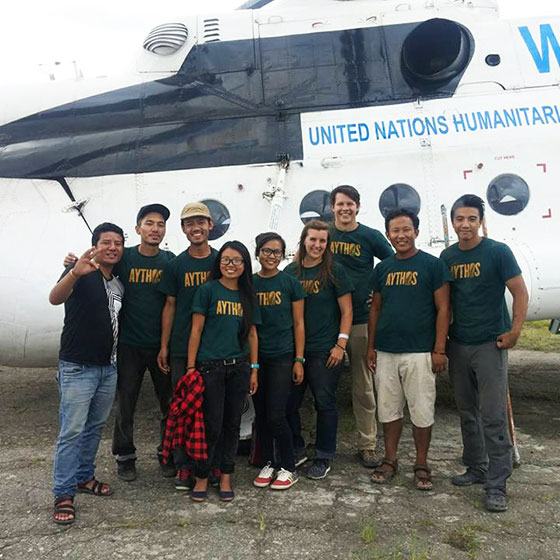
Development and Humanitarian Assistance
The global community has made great strides in reducing poverty and improving livelihoods around the world, exemplified by the success of the UN Millennium Development Goals. Yet, additional development work is necessary to improve conditions worldwide.
Development and humanitarian assistance work requires an understanding of changing conditions on the ground; the ability to work at the non-governmental, intergovernmental and international levels; an understanding of how to use economic and statistical analysis to assess the policy impact of interventions; and research to support programming or policy analysis.
Related Courses: Development and Humanitarian Assistance
Go further.
Governance, Diplomacy and International Organizations
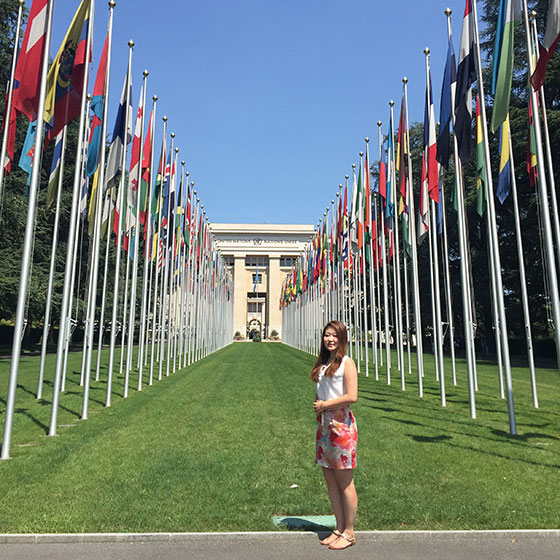
In a world where diplomacy and policy analysis remain key to the practice of international affairs, the Governance, Diplomacy and International Organizations career track provides students with the skills and training needed to understand interactions between states, the role of leadership within international and transnational organizations, and objective analysis of such behavior.
This track draws on the Maxwell School’s long history of leadership training and international policy analysis. This includes work on negotiation and conflict resolution, cultural awareness, political leadership and organizational management.
Related Courses: Governance, Diplomacy and International Organizations
Go further.
International Political Economy: Finance, Trade and Migration
A basic understanding of economic principles is an indispensable part of the international affairs graduate’s toolkit. This need is more vital as global economic factors drive the rise in populism and threaten a return to the protectionism that aggravated international conflict during the inter-war period. More recently, the Great Recession and the advance in automation raise profound questions about the efficacy of economic policy and international economic governance.
This career track focuses on the economic relationship between states. It also examines the incentives facing non-state actors in the realms of international trade, finance and migration, while probing how issues like technology and climate change impact international conflict and cooperation.

Related Courses: International Political Economy: Finance, Trade and Migration
Go further.

Peace, Security and Conflict
Security is critical to stability and development. New security challenges can emerge rapidly, forcing actors to confront complex and unfamiliar challenges while continuing to address historic tensions. Changing power relationships can create new anxieties. New technologies pose security threats and provide opportunities to promote peace. The rise of non-state actors forces governments and international organizations to adapt their strategies to better address human security.
Those interested in careers in security studies, conflict management and peacebuilding must understand how these new challenges affect the international environment. This understanding allows for the development of more effective policies by nation-states, international agencies and non-governmental organizations to address threats to international peace and security.
Related Courses: Peace, Security and Conflict
Go further with a certificate in Security Studies

Regional Concentration
Learn to structure development programs, assess conflict drivers and anticipate developments in a country or region. There are five regional concentrations:
- Africa
- East and South Asia
- Europe and Eurasia
- Latin America
- Middle East and North Africa
Students pursuing this option may count six hours of graduate language study towards the track and are encouraged to consider opportunities at world partner institutions.
Related Courses: Regional Concentration
Collaborative research to address today's policy challenges.