Skip to content
Understand and Address Inequalities

Sociology Department
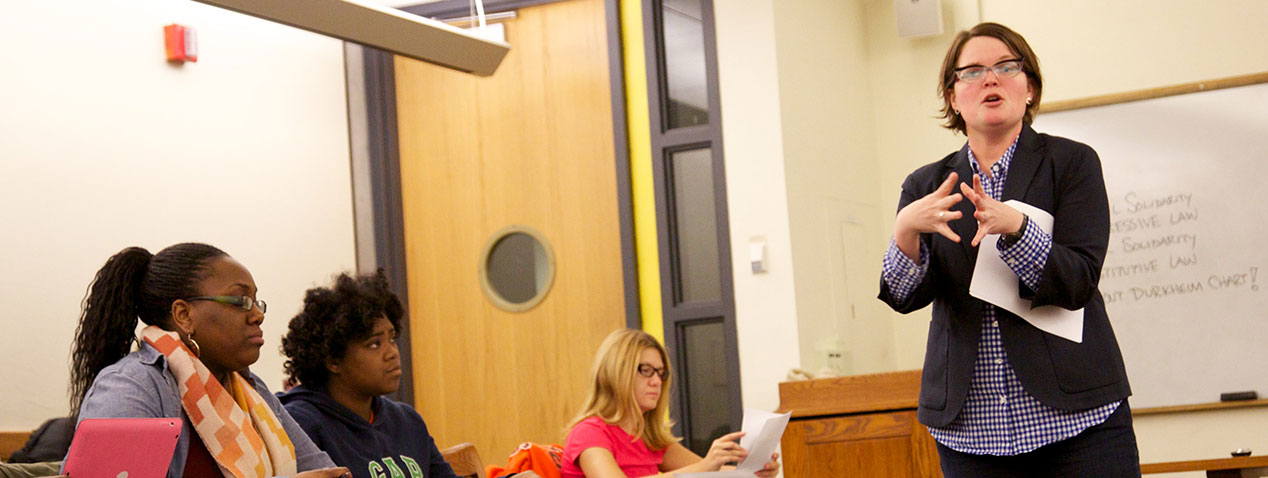
In Their Own Words


Hear from our sociology students and faculty what makes Maxwell so special.

With breadth and depth in subspecialties across the discipline—in a highly engaged interdisciplinary school of public affairs—the Sociology Department supports and empowers new scholars to develop knowledge, hone research skills and focus on what matters to them most.

Undergraduate Studies


An undergraduate major or minor in sociology provides students with both a broad introduction to the field and an opportunity to explore the specialty areas of the department. Students will take a variety of substantive courses that examine topics such as inequality, race and ethnicity, gender, health, education, immigration, family, aging and the life course, criminology and criminal justice, and social policy.

Graduate Studies


Graduate students will receive core training in sociological issues, theory and methods. Ph.D. students will develop substantive specialization in areas of faculty expertise and prepare for all aspects of their career in research, teaching publishing, grants and mentoring. The department does not admit students to a terminal M.A. program, but students in the Ph.D. program earn an M.A. degree along the way.
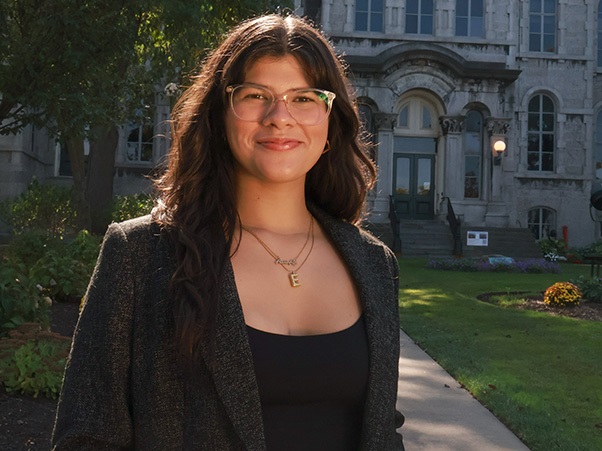
A person with long dark wavy hair and glasses, wearing a black top and gray tweed blazer with a gold necklace, smiling while standing outdoors in front of a stone campus building with a green lawn.

The annual Matthew Ross Wanetik Memorial Scholarship recognizes Maxwell undergraduate Angelie “Angie” Serrano Baéz for academic excellence and a deep commitment to service.
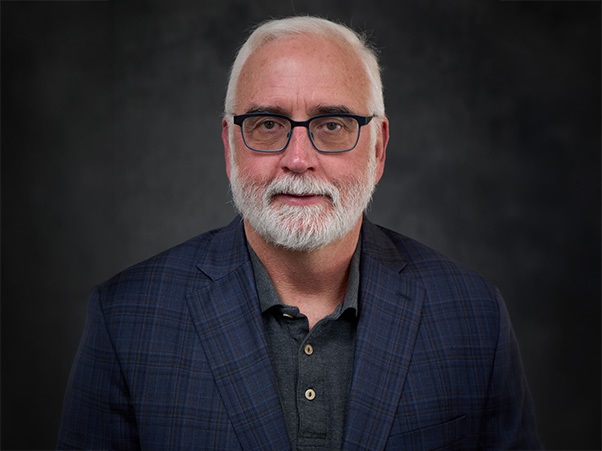
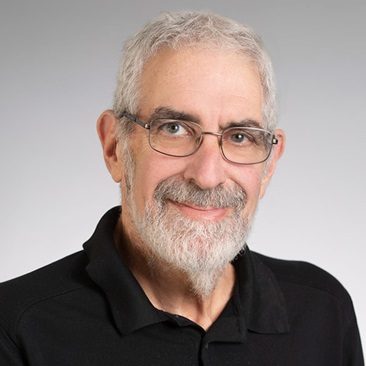
A person with white hair, a white beard, and glasses, wearing a dark plaid blazer over a gray polo shirt, set against a dark gray background.
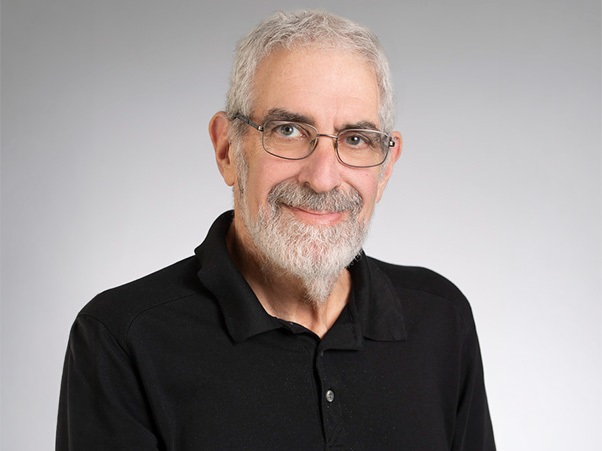
The Maxwell sociologist recently began his term leading the international organization focused on the study of food, agriculture and health. 
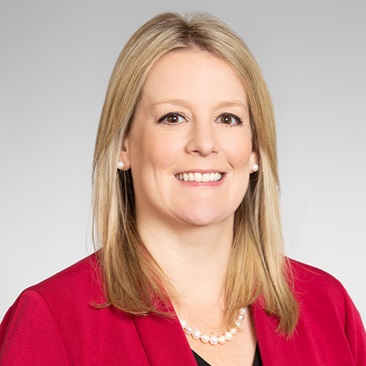
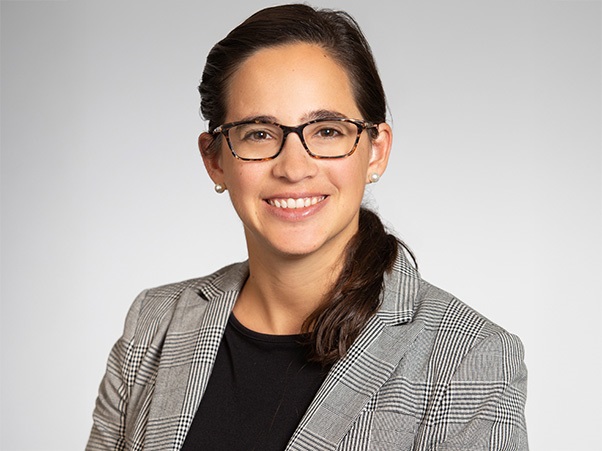
A person with dark hair pulled back, wearing tortoiseshell glasses, pearl stud earrings, and a plaid blazer, smiling at the camera against a light gray background.
Gabriela Kirk-Werner will spend the spring of 2027 in residence at the foundation’s New York City headquarters to co-author a book on how the criminal justice system shapes the lives of people under court supervision.
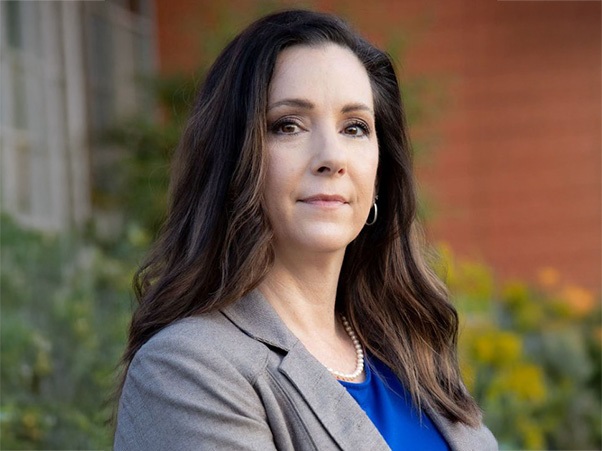
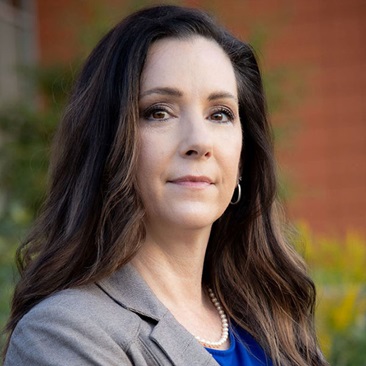
A person with long dark brown wavy hair, wearing a gray blazer over a blue top and a pearl necklace, photographed outdoors against a blurred background of greenery and a brick building.
The Maxwell sociologist has been appointed to lead a flagship American Sociological Association publication.
A black-and-white photo of a person sitting on a campus lawn, smiling over their shoulder at the camera while holding a can and a plate of food, with other students and university buildings visible in the background.
The ClickUp executive has revived the Maxwell Student Emergency Support Fund to pay it forward—and because she knows firsthand what’s at stake. 
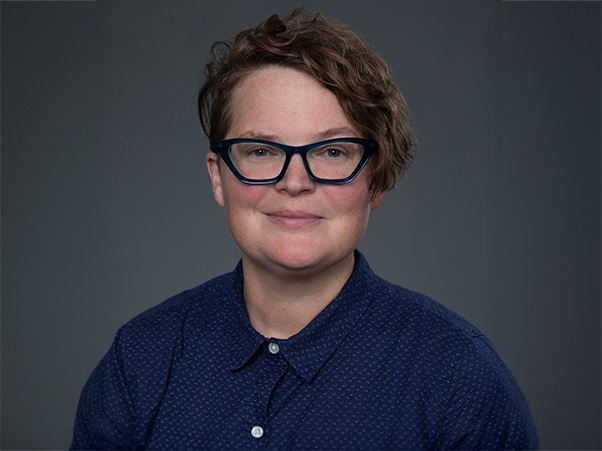
A person with short brown hair wearing dark glasses and a dark button down shirt.
The award is given by the Eastern Sociological Society to recognize sociologists whose innovative research is paired with meaningful public engagement.
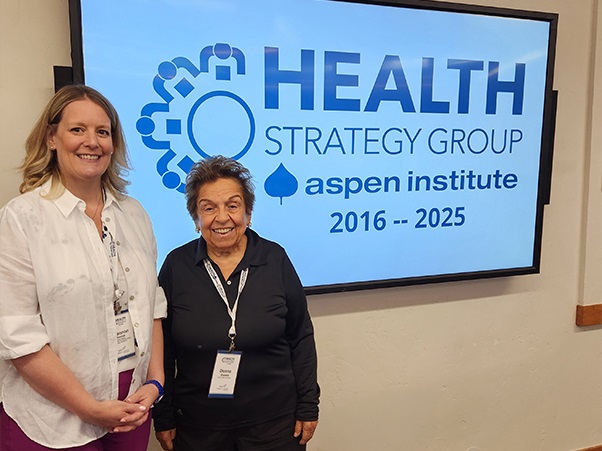
Shannon Monnat and Donna Shalala
The Maxwell sociologist was also awarded the organization’s Frederick H. Buttel Outstanding Scholarly Achievement Award for her recent co-authored book.
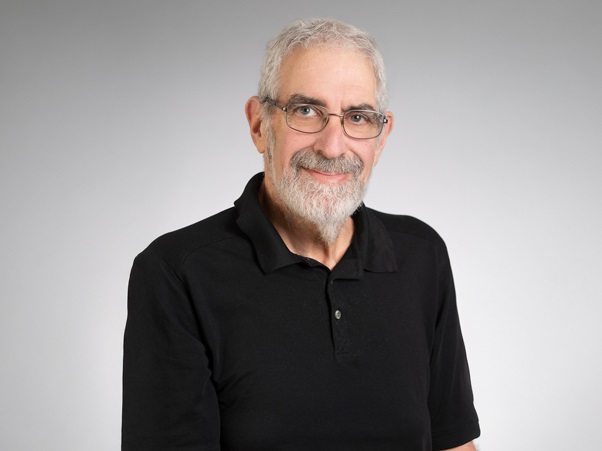
Merril Silverstein
The award recognizes the most outstanding journal article published in the previous volume of Sociology of Religion.
Haowei Wang
The position was created with a gift by Syracuse University alumni Yang Ni and Xiaoqing Li to strengthen connections between Maxwell faculty and scholars in China and Asia.

A Message from Sociology Faculty and Staff
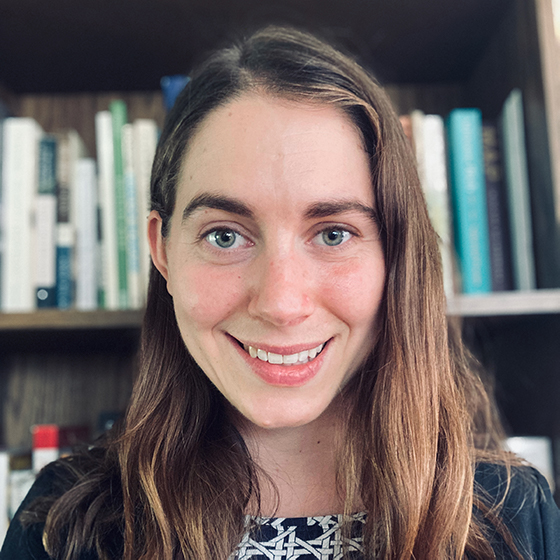
Portrait of Ph.D. student (sociology) Claire Pendergrast

I am Maxwell.

Doctoral student of sociology Claire Pendergrast recently testified at a state Senate hearing about her research on the impact of COVID on older adults living at home, and the importance of “building local infrastructure” to equip older adults to avoid often unwanted institutional care. “The reason I’m studying these organizations is to understand if they’re effective and how we can do better to help older adults be healthy and independent,” she says.

Claire Pendergrast

Doctoral student, sociology; graduate fellow, Lerner Center for Public Health Promotion and Population Health; intern, Office of New York State Senator Rachel May

Sociology Department
302 Maxwell Hall