Maxwell Experts Unpack the ‘One Big Beautiful Bill’
November 13, 2025
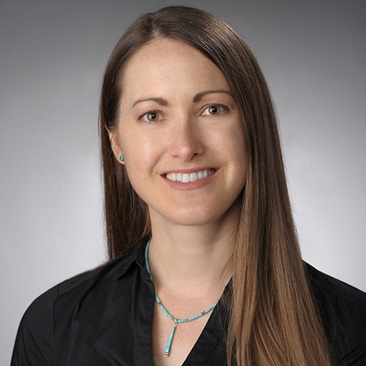
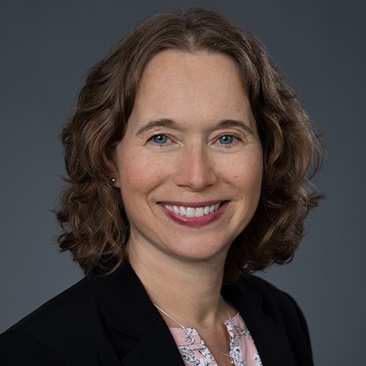
A recent State of Democracy lecture offered varying perspectives from Maxwell faculty members Brynt Parmeter, Leonard Burman and Colleen Heflin in a discussion led by Chris Faricy, director of the Campbell Public Affairs Institute.


When the Campbell Public Affairs Institute convened its State of Democracy lecture series in early November, the focus wasn’t on campaign rhetoric or polling trends, but on what happens when politics and policy collide in one colossal piece of legislation.
Titled “The Political Causes and Policy Consequences of the One Big Beautiful Bill,” the virtual panel brought together three Maxwell School experts to dissect the sweeping act signed into law on July 4, 2025. The “OBBB,” as panelists called it, remade the nation’s fiscal, social and defense priorities—cutting social programs while expanding defense spending and extending trillions in tax cuts.
“This single piece of legislation fundamentally altered the trajectory of American fiscal, social and defense policy,” said Chris Faricy, director of the Campbell Public Affairs Institute and moderator of the event. “It represents a wholesale reordering of national priorities.”
Joining Faricy were Brynt Parmeter, the Phanstiel Chair in Leadership and professor of practice of public administration and international affairs; Leonard Burman, professor emeritus and cofounder of the Urban-Brookings Tax Policy Center; and Colleen Heflin, professor of public administration and international affairs and an expert on welfare policy.
Parmeter, a former U.S. Army officer and senior Defense Department official, opened by shifting attention from politics to practicality. “In public administration, the distance between legislation and lived experience is almost entirely implementation,” he said. “Policy coherence on paper doesn’t equal implementability on the ground.”
He described the OBBB as a mash-up of tax policy, border enforcement, Medicaid restructuring and climate regulation rollbacks. The bundling of such disparate issues, he said, creates pressure in agencies to deliver conflicting mandates simultaneously. The real impact is felt not in Washington but “in county offices, emergency rooms and foster care systems” working to meet new mandates without additional resources.
Parmeter outlined seven “implementation implications,” from labor market distortions that pit defense contractors against community health workers to challenges that arise when staffing and capacity fail to match new mandates. “Administrative capacity is democratic capacity,” he said. “If the agencies fail, citizens lose trust in the system. The real question for a democratic public isn’t just what did Congress intend, it's what can the system actually deliver sustainably and fairly over time.”
Economist Burman took a wry, data-driven look at what the OBBB accomplished—and what it didn’t. “The problems it solved were largely for rich people,” he quipped. “They knocked that one out of the park.” The act extended the 2018 Tax Cuts and Jobs Act, added deductions for tips and overtime, and introduced “Trump accounts”—tax-advantaged savings vehicles for children. “Tax deductions are most valuable to higher-income people. About a third of households don’t owe income tax at all, so they get no benefit,” he said.
While the bill reduced taxes, it also expanded the deficit. The Committee for a Responsible Federal Budget projects that if temporary provisions become permanent, the OBBB could add more than $4 trillion to the national debt in the next decade—more than the combined cost of major pandemic and infrastructure packages earlier in the decade. Burman lamented what he saw as a missed opportunity. “We know how to cut child poverty. The American Rescue Plan Act proved it,” he said, referring to the temporary expansion of the Child Tax Credit in 2021. “Instead, this bill increased the maximum credit slightly but did nothing for the poorest families.”
For Heflin, who studies social welfare and food security, the OBBB’s most profound effects will be felt at the street level. “According to the Congressional Budget Office, 11 to 12 million people will lose health coverage by 2034, and nearly five million fewer will receive SNAP benefits,” she said. She described how expanded work requirements and cost-sharing mandates shift financial burdens from the federal government to the states—changes she said will be felt unevenly. “Only eight states currently meet the new SNAP error-rate thresholds,” she noted. “That means most states will have to pay a share of benefits they used to get federally.”
Heflin argued that research shows work requirements don’t increase employment but do reduce participation in aid programs. “People want to work,” she said. “But administrative hurdles—paperwork, verification and eligibility checks—end up costing states millions and push vulnerable people off the rolls. It’s a costly illusion of efficiency that removes benefits without addressing barriers to work.”
As the panelists debated, Faricy asked why such requirements persist if evidence of their ineffectiveness is strong. “Some of it is political theater,” Burman said. “It’s a way to cut programs without being seen as cutting them. You frame it as promoting hard work.” Heflin agreed. “These provisions weren’t about improving SNAP or Medicaid; they were about finding savings to pay for tax cuts.”
When Faricy turned to national security, Parmeter said that the bill’s $150 billion defense boost blurs the line between foreign defense and domestic enforcement. “You’re blending border security with military readiness,” he said. “That’s where democracies become vulnerable.” While some increases—such as investments in AI weapons and military housing—could yield benefits, he cautioned that “once the military’s role shifts toward domestic policing, it’s very hard to redraw that line.”
Amid their critiques, panelists also searched for positives. Heflin saw potential in the “Trump accounts,” viewing them as “the start of something that could grow into a meaningful wealth-building policy if designed progressively.” Burman noted that Congress can still revisit and revise major provisions, many of which expire within a decade. And Parmeter urged younger citizens not to disengage. “You can’t change the system by yelling at it from the stands,” he said. “You have to get in the ring.”
Faricy closed with a reminder that democracy’s resilience often depends less on elections than on implementation. “We’ll keep watching how these policies unfold—not just in the headlines, but in people’s lives,” he said. “Because that’s where democracy is tested.”
By Renée Gearhart Levy
About the State of Democracy
Organized by the Campbell Public Affairs Institute at the Maxwell School, the State of Democracy Lecture Series provides a forum for meaningful discussions of public issues that cut across traditional disciplinary boundaries.
Related News
School News

Oct 7, 2026
Research

Oct 6, 2026
Media Coverage
Oct 6, 2026