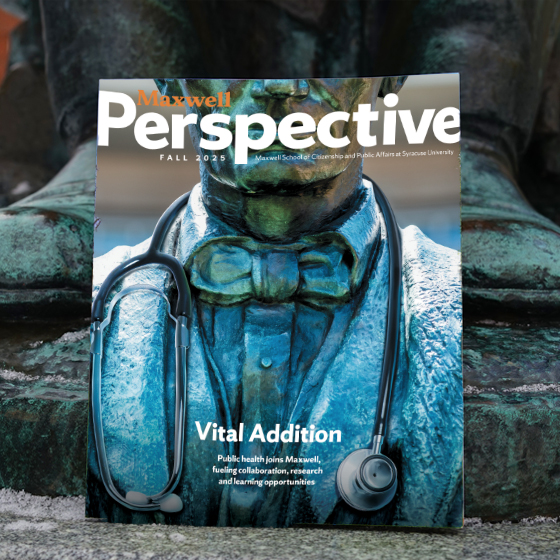
Maxwell School News, Research and Media Coverage
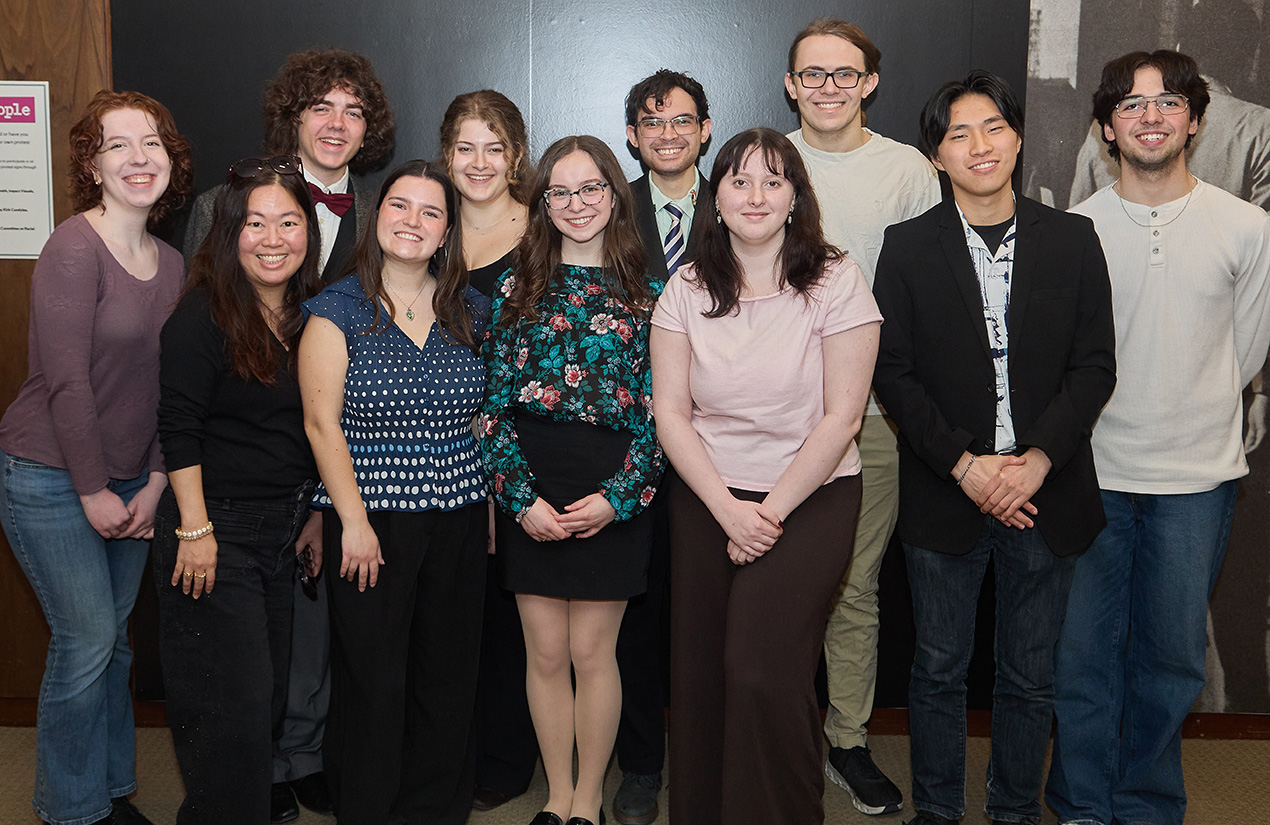
From Hollywood Archives to Bird Library
Now in its 5th year, the student-run history journal conference drew researchers from four universities.
Dunaway Quoted in Bloomberg Article on Political Independents and Partisanship
February 20, 2026
Bloomberg

A record 45% of U.S. adults now identify as political independents, but their departure from the two major parties is paradoxically fueling the very partisanship driving them away. As parties have weakened—losing control over primaries, fundraising and candidate recruitment — more ideologically extreme candidates have flourished.
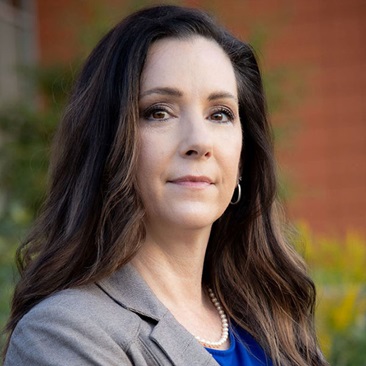
“They're definitely related,” says Johanna Dunaway, professor of political science and research director of the Institute for Democracy, Journalism and Citizenship. “Probably the biggest reason - I think it's the loss of strong control over who runs in the primary.”
She adds: “Because the parties are weaker, when candidates run, they don't anymore try to please the party and to stay in good graces with the party, because the party can't give them as much as they used to in terms of helping of helping forward their political careers.”
Read more in the Bloomberg (via the Miami Herald) article, “David M. Drucker: All these new independents are making politics more partisan.”
Related News
Media Coverage
May 7, 2026
Media Coverage
May 6, 2026
Research
May 4, 2026

Dunaway Quoted in Bloomberg Article on Political Independents and Partisanship
February 20, 2026
Bloomberg
A record 45% of U.S. adults now identify as political independents, but their departure from the two major parties is paradoxically fueling the very partisanship driving them away. As parties have weakened—losing control over primaries, fundraising and candidate recruitment — more ideologically extreme candidates have flourished.
“They're definitely related,” says Johanna Dunaway, professor of political science and research director of the Institute for Democracy, Journalism and Citizenship. “Probably the biggest reason - I think it's the loss of strong control over who runs in the primary.”
She adds: “Because the parties are weaker, when candidates run, they don't anymore try to please the party and to stay in good graces with the party, because the party can't give them as much as they used to in terms of helping of helping forward their political careers.”
Read more in the Bloomberg (via the Miami Herald) article, “David M. Drucker: All these new independents are making politics more partisan.”
Related News
Media Coverage
May 7, 2026
Media Coverage
May 6, 2026
Research
May 4, 2026
Maxwell School Research
Maxwell faculty and students engage in collaborative, cross-disciplinary research that achieves groundbreaking insights and analysis and provides a superior education for tomorrow’s effective leaders in their fields.
Dunaway Quoted in Bloomberg Article on Political Independents and Partisanship
February 20, 2026
Bloomberg
A record 45% of U.S. adults now identify as political independents, but their departure from the two major parties is paradoxically fueling the very partisanship driving them away. As parties have weakened—losing control over primaries, fundraising and candidate recruitment — more ideologically extreme candidates have flourished.
“They're definitely related,” says Johanna Dunaway, professor of political science and research director of the Institute for Democracy, Journalism and Citizenship. “Probably the biggest reason - I think it's the loss of strong control over who runs in the primary.”
She adds: “Because the parties are weaker, when candidates run, they don't anymore try to please the party and to stay in good graces with the party, because the party can't give them as much as they used to in terms of helping of helping forward their political careers.”
Read more in the Bloomberg (via the Miami Herald) article, “David M. Drucker: All these new independents are making politics more partisan.”
Related News
Media Coverage
May 7, 2026
Media Coverage
May 6, 2026
Research
May 4, 2026
Subscribe to a Maxwell newsletter.
Dunaway Quoted in Bloomberg Article on Political Independents and Partisanship
February 20, 2026
Bloomberg
A record 45% of U.S. adults now identify as political independents, but their departure from the two major parties is paradoxically fueling the very partisanship driving them away. As parties have weakened—losing control over primaries, fundraising and candidate recruitment — more ideologically extreme candidates have flourished.
“They're definitely related,” says Johanna Dunaway, professor of political science and research director of the Institute for Democracy, Journalism and Citizenship. “Probably the biggest reason - I think it's the loss of strong control over who runs in the primary.”
She adds: “Because the parties are weaker, when candidates run, they don't anymore try to please the party and to stay in good graces with the party, because the party can't give them as much as they used to in terms of helping of helping forward their political careers.”
Read more in the Bloomberg (via the Miami Herald) article, “David M. Drucker: All these new independents are making politics more partisan.”
Related News
Media Coverage
May 7, 2026
Media Coverage
May 6, 2026
Research
May 4, 2026
Faculty Experts
The Maxwell School is home to policy-relevant expertise across the social sciences. Our faculty are available to speak with the media about a wide range of issues, both domestic and international, including education, the environment, foreign affairs, immigration, public health, social welfare, tax policy and trade, among others.
Maxwell Perspective Online
Enjoy Maxwell Perspective magazine your way, both in print and online. Either way, you can expect the same great content accessible anytime:
- News and feature stories about our accomplished and inspiring alumni community.
- Digital Class Notes, regularly updated with the latest from the Maxwell global community.
- Plus, upcoming events and ways to connect.