full-time faculty teaching and conducting research in political science
of Maxwell faculty conduct research focused outside of the U.S.
graduate students in residence; fewer than 12 admitted each year
Undergraduate Studies
Graduate Studies
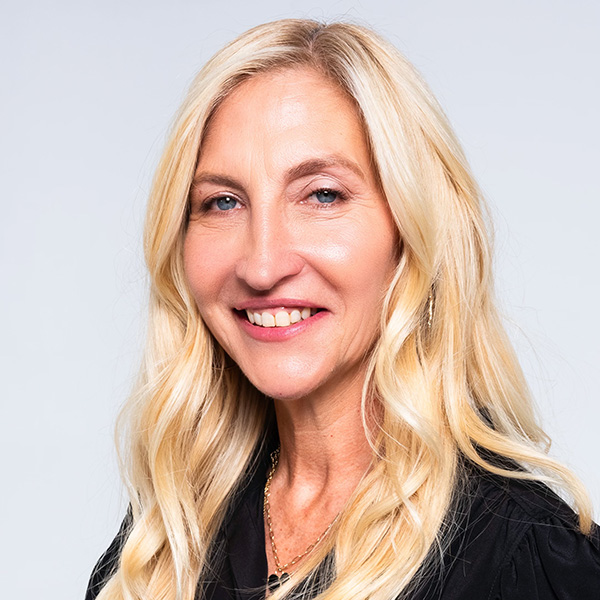

I am Maxwell.
My time as a student at Syracuse University’s Maxwell School prepared me for my career in the music business in ways I never could have imagined. My passion for utilizing political and legal systems and structures to advocate for and protect people’s rights guides many of the most important decisions I make.”
Jacqueline Saturn ’90 B.A. (PSc)
President of Virgin Music Group North America, 2026 Maxwell | A&S Undergraduate Convocation Speaker
Recent Faculty Books
Maxwell's Political Science Department faculty members publish award-winning books on a wide range of topics. Scroll a sample of recently published works below, or visit the Maxwell Faculty Bookshelf for more.
Harry Lambright discusses the James Webb Space Telescope with Johns Hopkins Magazine
September 28, 2021
John Hopkins Magazine
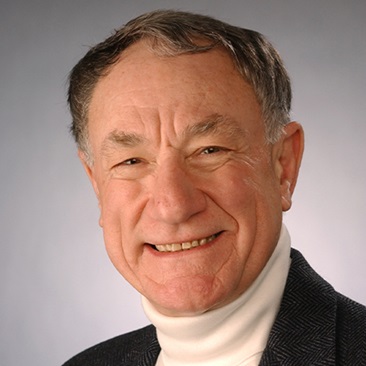
The James Webb Space Telescope launches in December, 60 years after James Webb took over the helm of the National Aeronautics and Space Administration (NASA), 17 years after construction of the telescope began, and three years after NASA—delayed by technical issues and the coronavirus pandemic—planned to put the instrument into action. "I don't know that he [Webb] had any vision from the standpoint of the telescope beyond what any intelligent person would have," says Professor Harry Lambright, author of "Powering Apollo: James E. Webb of NASA."
"He did listen to scientists, but I don't think he personally had a vision for the cosmos. Webb was always looking ahead from the standpoint of NASA and what it could do in the future. It was clear to him that it would be important to demonstrate the usefulness of the capabilities that NASA was developing in the '60s, and one of the ways you could do that would be to show how useful you were to science, and a space telescope clearly would be very important for science," Lambright says. Read more in the Johns Hopkins Magazine article, "Mapping the Universe's Origin Story."
Related News
Media Coverage
Jun 11, 2026
Media Coverage
Jun 10, 2026
School News
Jun 8, 2026
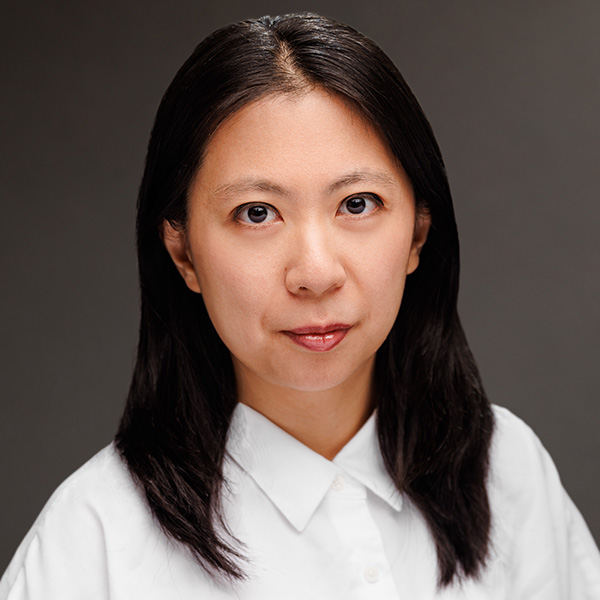
BaoBao Zhang Joins First Cohort of AI2050 Early Career Fellows
One of only 15 scholars chosen from across the U.S., Zhang will receive up to $200,000 in research funding over the next two years. Zhang will use the funding to partner with the nonprofit, non-partisan Center for New Democratic Processes to test whether public participation in AI governance is increased through the creation of public assemblies, known as “deliberative democracy workshops.”
Baobao Zhang
Assistant Professor, Political Science Department
Harry Lambright discusses the James Webb Space Telescope with Johns Hopkins Magazine
September 28, 2021
John Hopkins Magazine
The James Webb Space Telescope launches in December, 60 years after James Webb took over the helm of the National Aeronautics and Space Administration (NASA), 17 years after construction of the telescope began, and three years after NASA—delayed by technical issues and the coronavirus pandemic—planned to put the instrument into action. "I don't know that he [Webb] had any vision from the standpoint of the telescope beyond what any intelligent person would have," says Professor Harry Lambright, author of "Powering Apollo: James E. Webb of NASA."
"He did listen to scientists, but I don't think he personally had a vision for the cosmos. Webb was always looking ahead from the standpoint of NASA and what it could do in the future. It was clear to him that it would be important to demonstrate the usefulness of the capabilities that NASA was developing in the '60s, and one of the ways you could do that would be to show how useful you were to science, and a space telescope clearly would be very important for science," Lambright says. Read more in the Johns Hopkins Magazine article, "Mapping the Universe's Origin Story."
Related News
Media Coverage
Jun 11, 2026
Media Coverage
Jun 10, 2026
School News
Jun 8, 2026