Why the US Must Measure Food Insecurity in Old Age
Madonna Harrington Meyer, Colleen M. Heflin
Milbank Quarterly, February 2026
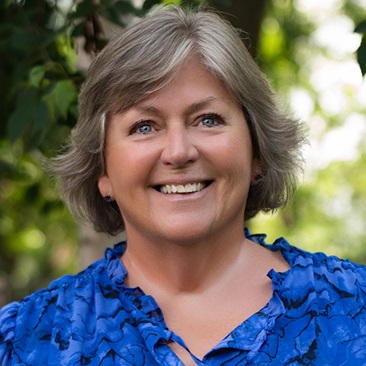
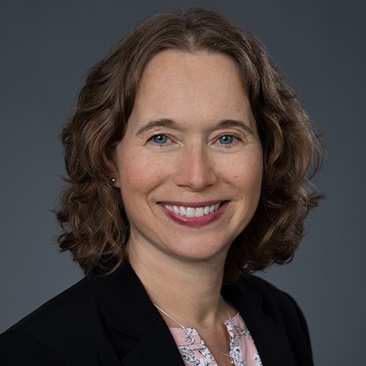
“Why the US Must Measure Food Insecurity in Old Age,” co-authored by University Professor Madonna Harrington Meyer and Colleen Heflin, professor of public administration and international affairs, was published in The Milbank Quarterly. Following is an excerpt:
The number of older Americans who are food insecure is growing, yet a recent Trump administration decision to terminate data collection of the annual Food Security Supplement will make it impossible to fully track this growth.
In 2023, 7.4 million adults age 60 and older were food insecure and another 5.6 million were marginally food insecure. In households with incomes below 185% of the federal poverty line, 20% of older adults were food insecure. The number of older adults who are food insecure will likely continue to rise given that one in four Americans will be 65 or older by 2060. Risk of food insecurity in old age is highest among women, Black and Hispanic people, and those who have a disability, live alone or with grandchildren, and live in rural areas or southern states. Until its recent defunding, the USDA analysis of the Food Security Supplement provided us with vital information about old age food insecurity.
Though it often plays out in the privacy of one’s own home, food insecurity is a public problem that undermines physical, emotional, cognitive, and social wellbeing. At age 68, Barbara knows a great deal about the adverse impacts of food insecurity. We interviewed her for Food for Thought: Understanding Old Age Food Insecurity. A retired, single mother of five and grandmother of 22, Barbara earned a BA in theology. She was diagnosed with an autoimmune disease at age 39 but continued to work until a car accident at age 63, and then had a serious fall that left her with a disability and unable to work.
To stretch her meager income and food supply, she often makes soup. But sometimes even the soup runs out. “I had made a soup…with potatoes and cabbage and I thought, so that will hold me a little while and when I looked around it didn’t do that. I was out.”
When the soup is running low, she eats just once a day, right before she goes to sleep so she does not have to think about her hunger. When the soup is gone, she relies on oatmeal until her $666 Social Security check arrives at the end of the month. “I’ll look and [see] if I have some oatmeal. I can probably do something with that, but like what I normally would eat is gone.”
Related News
Research

Oct 8, 2026
Research

Oct 6, 2026
Media Coverage
Oct 6, 2026