full-time faculty teaching and conducting research in political science
of Maxwell faculty conduct research focused outside of the U.S.
graduate students in residence; fewer than 12 admitted each year
Undergraduate Studies
Graduate Studies
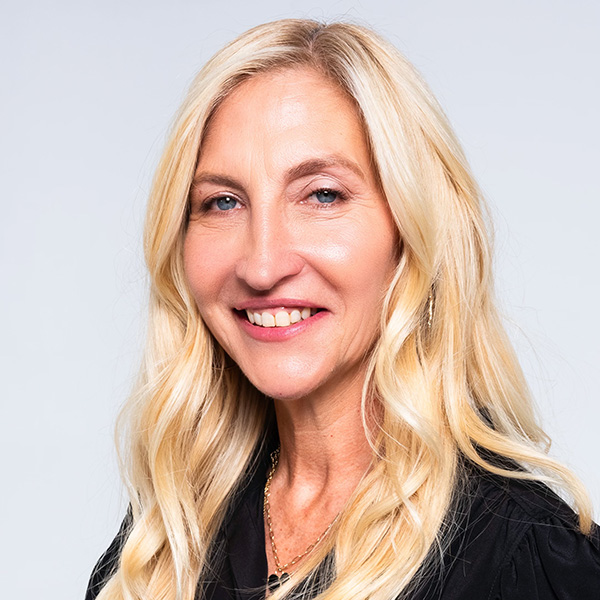

I am Maxwell.
My time as a student at Syracuse University’s Maxwell School prepared me for my career in the music business in ways I never could have imagined. My passion for utilizing political and legal systems and structures to advocate for and protect people’s rights guides many of the most important decisions I make.”
Jacqueline Saturn ’90 B.A. (PSc)
President of Virgin Music Group North America, 2026 Maxwell | A&S Undergraduate Convocation Speaker
Recent Faculty Books
Maxwell's Political Science Department faculty members publish award-winning books on a wide range of topics. Scroll a sample of recently published works below, or visit the Maxwell Faculty Bookshelf for more.
Keck Weighs In on New Academic Freedom Principles in Inside Higher Ed Article
September 11, 2023
Inside Higher Ed

It's been nearly a decade since the development of the Chicago principles on campus free expression. Princeton’s James Madison Program in American Ideals and Institutions has now released the “Princeton Principles for a Campus Culture of Free Inquiry.” The document says it extends the “scope” of the Chicago principles.
The so-called Princeton Principles—despite the name, they haven’t been endorsed by the university’s leaders—are more extensive, providing some detailed suggestions on what academic institutions should do, and not do, to promote academic freedom and free speech for students and faculty members.
Thomas Keck, Michael O. Sawyer Chair of Constitutional Law and Politics, says the Princeton Principles do improve on the Chicago principles, which don’t use the term “academic freedom.” But he says the Princeton Principles still seem to privilege free speech over academic freedom—he notes students’ free speech can conflict with, among other things, professors’ academic freedom to control classroom discussions.
“I think there’s room for further conversation and refinement about how to strike the optimal balance,” he says.
Read more in the Inside Higher Ed article, “New Academic Freedom Principles Open Door to Outside Intervention.”
Related News
Media Coverage
May 18, 2026
School News
May 14, 2026
Media Coverage

May 14, 2026
Media Coverage
May 13, 2026
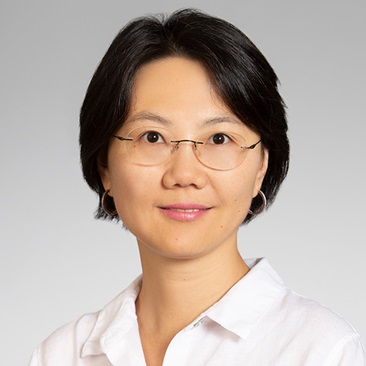
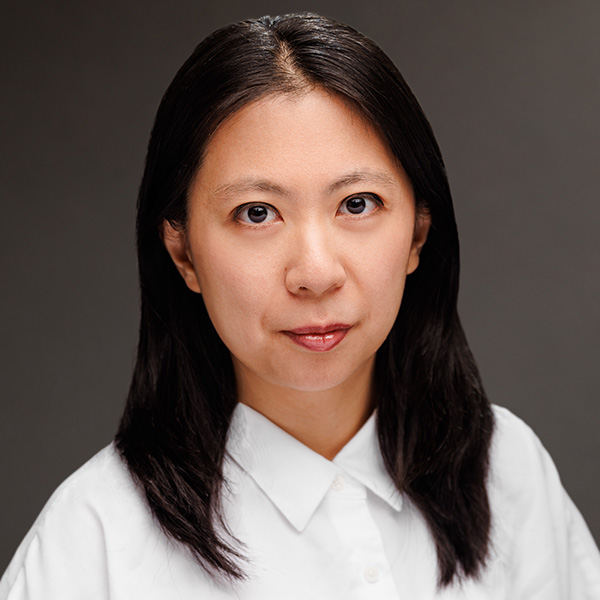
BaoBao Zhang Joins First Cohort of AI2050 Early Career Fellows
One of only 15 scholars chosen from across the U.S., Zhang will receive up to $200,000 in research funding over the next two years. Zhang will use the funding to partner with the nonprofit, non-partisan Center for New Democratic Processes to test whether public participation in AI governance is increased through the creation of public assemblies, known as “deliberative democracy workshops.”
Baobao Zhang
Assistant Professor, Political Science Department
Keck Weighs In on New Academic Freedom Principles in Inside Higher Ed Article
September 11, 2023
Inside Higher Ed
It's been nearly a decade since the development of the Chicago principles on campus free expression. Princeton’s James Madison Program in American Ideals and Institutions has now released the “Princeton Principles for a Campus Culture of Free Inquiry.” The document says it extends the “scope” of the Chicago principles.
The so-called Princeton Principles—despite the name, they haven’t been endorsed by the university’s leaders—are more extensive, providing some detailed suggestions on what academic institutions should do, and not do, to promote academic freedom and free speech for students and faculty members.
Thomas Keck, Michael O. Sawyer Chair of Constitutional Law and Politics, says the Princeton Principles do improve on the Chicago principles, which don’t use the term “academic freedom.” But he says the Princeton Principles still seem to privilege free speech over academic freedom—he notes students’ free speech can conflict with, among other things, professors’ academic freedom to control classroom discussions.
“I think there’s room for further conversation and refinement about how to strike the optimal balance,” he says.
Read more in the Inside Higher Ed article, “New Academic Freedom Principles Open Door to Outside Intervention.”
Related News
Media Coverage
May 18, 2026
School News
May 14, 2026
Media Coverage
May 14, 2026
Media Coverage
May 13, 2026